

Article Contents
Choosing between double and triple glazing is an important decision when you want better thermal and acoustic comfort at home. Glazing affects energy efficiency, outside noise and energy bills. This article explains the main differences between double and triple glazing to help you choose the right specification for your uPVC windows.
What is double glazing?
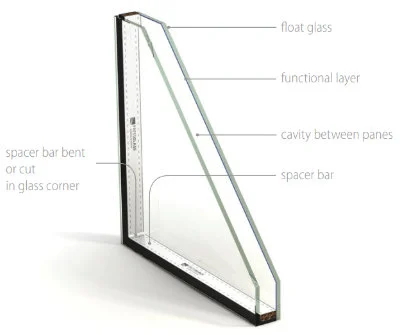
Double glazing consists of two panes separated by a sealed cavity containing air or an inert gas, such as argon or krypton. This construction improves insulation compared with a single pane and is widely used for its balance of cost, efficiency and durability.
Benefits of double glazing
- Better thermal insulation than single glazing: less winter heat loss and improved summer comfort with suitable solar-control specifications.
- Reduced outside noise with an appropriate acoustic specification.
- A lower cost than comparable triple glazing.
- Less risk of room-side condensation compared with single glazing, subject to indoor humidity and ventilation.
- Compatibility with many uPVC frame systems.
What is triple glazing?
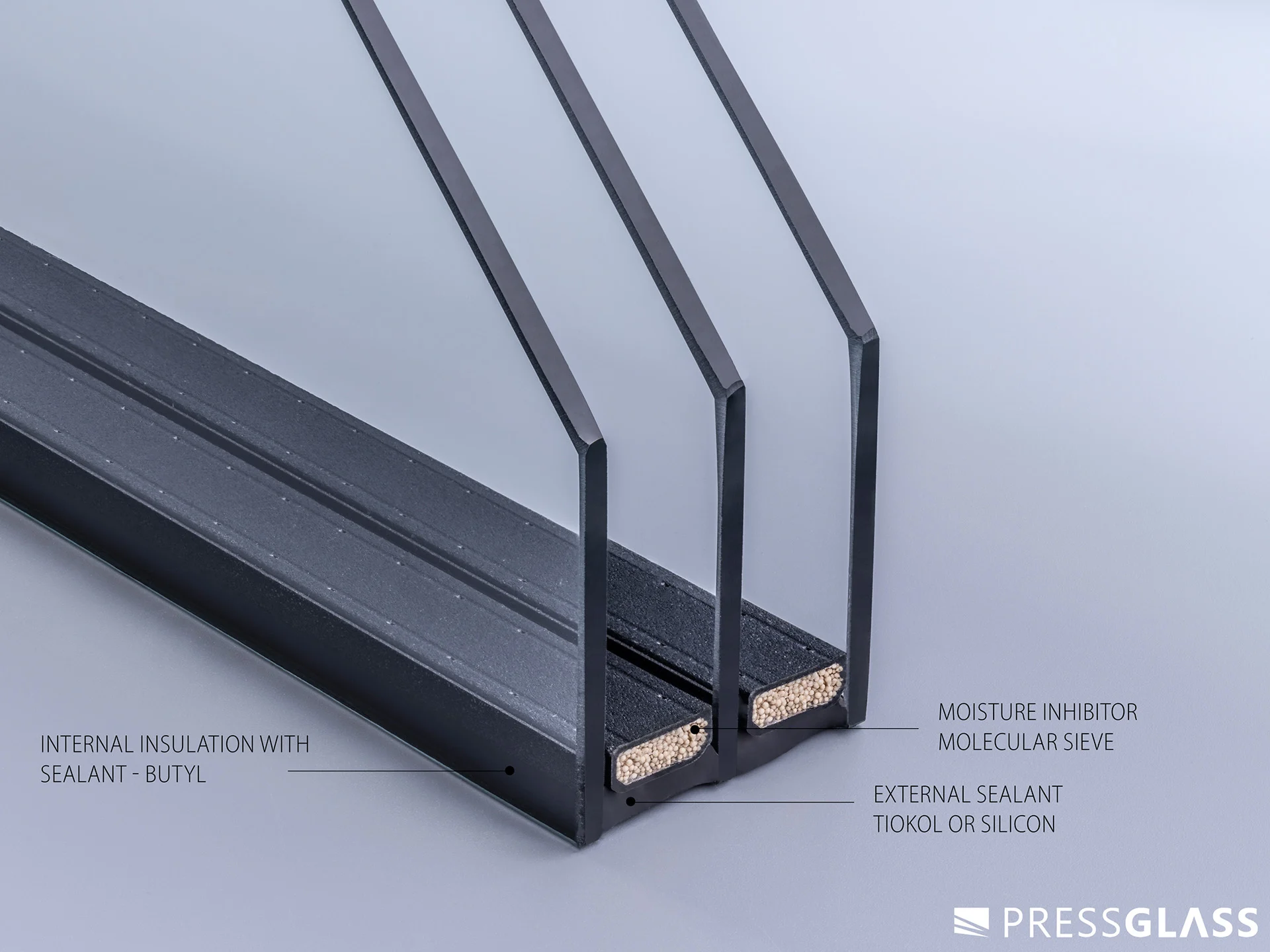
Triple glazing adds a third pane and a second air- or gas-filled cavity. A suitable specification can significantly improve thermal performance, making it a strong option for colder climates and demanding energy-efficiency projects. Acoustic performance must be assessed from the glazing build-up and test values, not pane count alone.
Benefits of triple glazing
- Higher thermal efficiency: lower heat loss can reduce heating demand.
- Acoustic options: suitable combinations of pane thicknesses and laminated acoustic glass can help in noisy locations.
- Greater thermal comfort: warmer internal glass surfaces and more stable indoor conditions.
- Reduced room-side condensation risk, especially in colder conditions, when combined with appropriate ventilation.
- Security options: laminated safety or security glass can be incorporated where required.
Triple glazing alone does not establish a security rating; the whole window must be specified for that purpose.
PRESS GLASS glazing
PRESS GLASS produces insulating glass units for a wide range of window projects, including double- and triple-glazed specifications focused on energy efficiency and thermal and acoustic comfort.
Advantages of suitable PRESS GLASS specifications
- Thermal and acoustic performance tailored to the project.
- Modern insulating-glass technology, including gas-filled cavities where specified.
- Customised solutions for new construction and renovation.
- Durability and energy performance that can support a building’s sustainability goals.
These options can suit residential and commercial projects seeking improved insulation.
Double vs triple glazing: a comparison
1. Thermal insulation
Comparable triple-glazed specifications generally provide better thermal insulation because the additional cavity reduces heat transfer. In cold climates, this helps retain heat and improve comfort and energy performance.
2. Acoustic insulation
Both can reduce outside noise. Triple glazing is not automatically better acoustically: pane thickness, asymmetry, cavity widths and acoustic laminated glass all affect the result. Compare the declared acoustic performance of the proposed units.
3. Cost
Triple glazing generally costs more because it uses additional materials and is more complex to manufacture. In moderate climates, a well-specified double-glazed unit often provides a good balance of price and performance.
4. Weight and frame compatibility
Triple glazing is heavier and requires suitable frames, reinforcement and hardware. Caixilho PVC offers modern uPVC systems for both options, but the selected system must support the glazing thickness and sash weight.
5. Condensation and durability
Both can reduce condensation on the inside surface compared with single glazing. Triple glazing may offer an advantage in very cold conditions by keeping the inner pane warmer. Indoor humidity and ventilation remain important.
Which should you choose?
Consider:
- Location and climate: triple glazing can be particularly valuable in colder areas or low-energy projects.
- Outside noise: choose a tested acoustic specification suited to the noise source, whether double or triple glazed.
- Budget: double glazing offers strong performance at a more accessible cost.
- Frame compatibility: confirm that the profile and hardware can accommodate triple glazing if you choose it.
Both double and triple glazing can improve comfort and insulation. Double glazing often offers an attractive balance of performance and cost, while triple glazing is useful where higher thermal efficiency is needed. For noise control, compare the actual acoustic specification.
At Caixilho PVC, we supply quality uPVC windows with double glazing or triple glazing for comfort, security and energy efficiency. Request a tailored quote to find a suitable system for your home.